
At Cat Tree Haven, we are often asked whether floor-to-ceiling cat trees are safe for kittens. It is a fair question. These tall, visually impressive cat trees make excellent use of vertical space and clearly appeal to a cat’s natural instinct to climb. But when you are dealing with a young, still-developing kitten, safety and suitability matter far more than height alone.
In this guide, we take a practical, experience-based look at floor-to-ceiling cat trees for kittens. We explain the risks, the benefits, what to look for in a well-designed structure, and when it makes sense to wait before introducing one. Our goal is to help you make an informed decision that supports your kitten’s growth while keeping your home calm and secure.
Key takeaways
- Floor-to-ceiling cat trees can be safe for kittens when they are stable, well-installed, and designed with appropriate spacing
- Kittens benefit from vertical exploration, but gradual access and supervision are important
- Platform spacing, surface grip, and anchoring systems matter more than overall height
- Not every kitten is ready for a full-height tree straight away
- Starting with lower levels or modular designs helps build confidence safely
Understanding how kittens use vertical space
Kittens are curious by nature. From a very young age, they experiment with climbing, jumping, and balancing. This behaviour is not just playful. It is how they build coordination, muscle strength, and spatial awareness.
However, kittens do not yet have the judgement or physical control of adult cats. They may overestimate their abilities, misjudge distances, or panic when descending. This is where tall furniture, including floor-to-ceiling cat trees, needs to be considered carefully.
At Cat Tree Haven, we design and select cat trees with feline development in mind. Vertical space can be incredibly enriching for kittens, but only when it is introduced in a controlled and supportive way.
What makes a floor-to-ceiling cat tree different?
A floor-to-ceiling cat tree typically uses adjustable tension rods or secure fittings to anchor the structure between the floor and the ceiling. This design creates excellent stability when installed correctly and allows cats to climb higher than standard freestanding models.
The key difference is not just height. It is continuous vertical access. For an adult cat, this is often ideal. For a kitten, it can be either a brilliant learning environment or an overwhelming challenge, depending on the design.
Important factors that affect safety include:
- Distance between platforms
- Diameter and texture of climbing posts
- Presence of guard edges or partially enclosed perches
- Overall rigidity once installed
Height alone does not determine safety. Construction quality and layout matter far more.

Are floor-to-ceiling cat trees safe for kittens?
The short answer is yes, they can be safe for kittens. The longer and more useful answer is that safety depends on the specific product, the kitten’s age, and how the tree is introduced.
A well-designed floor-to-ceiling cat tree that is correctly installed and thoughtfully used can be a safe and enriching option. Poorly designed or poorly installed trees can pose unnecessary risks.
At Cat Tree Haven, we always recommend looking beyond marketing images and focusing on practical features that support young cats.
Key safety features to look for
Strong anchoring and stability
Stability is non-negotiable. A floor-to-ceiling cat tree should feel solid, with no wobble once installed. Adjustable tension systems must lock firmly into place and remain stable over time.
Before allowing your kitten full access, always test the structure by applying pressure at different heights. If the tree shifts, installation needs adjustment.
Closely spaced platforms
For kittens, large vertical gaps can be intimidating and unsafe. Platforms should be spaced closely enough that your kitten can climb and descend without leaping long distances.
Gradual elevation encourages confidence and reduces the chance of falls.
Non-slip surfaces
Young cats rely heavily on grip. Platforms should have textured fabric or carpet, and posts should be wrapped in sisal or a similar material that provides traction.
Smooth or slippery surfaces increase the risk of slipping, especially during fast play sessions.
Enclosed or semi-enclosed resting spots
Perches with raised edges or small enclosed condos provide safe resting areas. These features give kittens a sense of security and help prevent accidental roll-offs while sleeping.
When a floor-to-ceiling tree may not be suitable
Not every kitten is ready for a tall structure straight away. Age, confidence, and coordination all play a role.
You may want to wait or limit access if your kitten:
- Is very young and still unsteady on its feet
- Shows hesitation or fear around height
- Has limited climbing experience
- Becomes overly excited and reckless during play
In these cases, starting with a lower-height option can be the best approach.
Our small cat trees under 100cm collection is often ideal for early-stage kittens. These designs allow exploration without overwhelming height.
A gradual introduction approach
At Cat Tree Haven, we often recommend a staged approach rather than immediate full access.
You can do this by:
- Temporarily blocking access to higher levels
- Encouraging play and rest on lower platforms
- Gradually opening access as your kitten grows more confident
This method allows your kitten to develop strength and coordination naturally, without unnecessary risk.
Once your kitten becomes more capable, transitioning to taller designs such as those in our extra-large cat tree collection becomes much more appropriate.
Choosing the right floor-to-ceiling design for kittens
Not all tall cat trees are the same. Some are better suited to kittens than others.
For example, adjustable designs that allow you to control platform height offer flexibility as your kitten grows. Products like the adjustable floor-to-ceiling tall cat tree with hammock and condo allow gradual progression rather than all-or-nothing access.
Similarly, designs with multiple intermediate platforms, such as the 210-274cm floor-to-ceiling cat tower with hammock and condo, help kittens climb safely without large jumps.
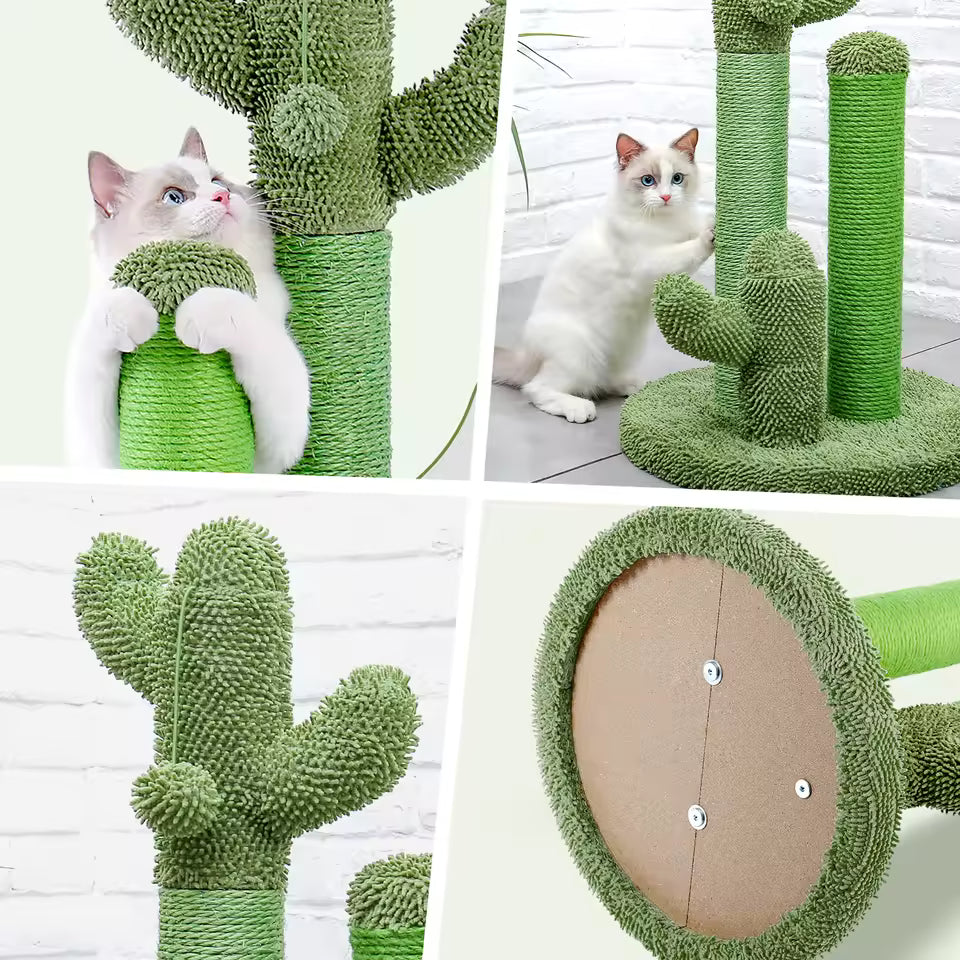
For kittens that are still building confidence, a mid-height option like the 152cm multi-level cat tree tower can serve as a practical stepping stone.
The behavioural benefits for kittens
When introduced safely, floor-to-ceiling cat trees can offer significant benefits.
They support:
- Physical development through climbing and stretching
- Mental stimulation from vertical exploration
- Confidence building in multi-level environments
- Reduced boredom in indoor-only households
We explore these benefits in more detail in our guide on how cat trees promote healthy exercise for indoor cats.
Vertical territory can also reduce stress by giving kittens their own safe observation points, something we discuss further in our article about why cat trees support mental wellbeing.
Placement matters more than many people realise
Even the safest cat tree can become risky if placed poorly.
We recommend positioning floor-to-ceiling trees:
- Away from hard furniture edges
- Near walls for added visual stability
- In areas where you can observe early use
Avoid placing tall cat trees directly beside shelves or benches that encourage risky leaps.
Our post on creative placement ideas for cat trees offers practical advice that applies especially well to taller designs.
Making the right choice for your home
Every kitten is different. Some take to height immediately, while others prefer lower, enclosed spaces for longer. The safest option is not always the tallest one, but the one that matches your kitten’s current abilities.
At Cat Tree Haven, we focus on offering options that grow with your cat, rather than forcing a one-size-fits-all solution. Whether you start small or go vertical early, thoughtful selection and careful introduction make all the difference.
To explore our full range of safe, well-designed cat trees, visit Cat Tree Haven and see how we help Australian cat owners create secure, enriching indoor environments.
Need personalised advice?
If you are unsure whether a floor-to-ceiling cat tree is right for your kitten, we are here to help. Our team can guide you based on your kitten’s age, temperament, and your home layout.
Contact Cat Tree Haven to get tailored advice and recommendations from people who genuinely care about feline wellbeing.
Frequently asked questions
At what age can kittens use a floor-to-ceiling cat tree?
Many kittens can begin exploring taller structures from around four to six months, depending on confidence and coordination. Gradual access is always recommended.
Can kittens fall from tall cat trees?
Falls are possible if platforms are widely spaced or surfaces lack grip. Proper design, close spacing, and supervision significantly reduce risk.
Should I block off higher levels at first?
Yes. Limiting access allows kittens to build skills gradually and reduces anxiety during early use.
Are floor-to-ceiling cat trees safer than freestanding ones?
When installed correctly, floor-to-ceiling designs can be very stable. Safety depends more on installation quality and design than on style.
Do kittens actually need tall cat trees?
Kittens do not need extreme height, but they benefit from vertical enrichment. Height should increase alongside physical development.
What is the safest surface material for kittens?
Textured fabrics, carpeted platforms, and sisal-wrapped posts provide good grip and support safe climbing.
Can one cat tree work from kittenhood to adulthood?
Yes. Adjustable or multi-level designs can adapt as your cat grows, making them a practical long-term investment when chosen carefully.