
Key Takeaways
- Coastal interiors favour natural textures, pale palettes, and relaxed silhouettes - all of which pair well with thoughtfully chosen cat furniture
- Solid wood and sisal are the two materials most naturally suited to a coastal aesthetic
- Wall-mounted cat furniture helps preserve the open, airy feel that defines coastal-style living
- Scale matters: smaller, leaner pieces tend to sit more comfortably in coastal rooms than bulky, heavily padded designs
- Placement near windows and natural light sources benefits both the room's look and your cat's wellbeing
- You do not need to sacrifice function for style - the right cat tree can serve both equally well
Coastal living has a particular feeling to it. Light moves differently in homes near the water - it reflects off surfaces, shifts throughout the day, and creates a kind of softness that most other interior styles simply cannot replicate. Australian coastal homes have developed their own version of this: relaxed but considered, natural without being rustic, comfortable without being cluttered.
If you share that kind of home with a cat, you have probably already noticed that most cat furniture was not designed with it in mind. The typical plush-covered tower in brown or grey, wrapped in synthetic carpet, tends to fight rather than complement the breezy, open feeling that coastal interiors work hard to achieve. The good news is that this mismatch is entirely avoidable.
At Cat Tree Haven, we think carefully about how cat furniture fits into real Australian homes. Coastal living is one of the most common contexts our customers are working with, and we have built up a clear picture of what genuinely works in these spaces. Here is how to approach it.
Understanding the Coastal Interior Palette
Before selecting any cat furniture, it helps to understand what makes coastal interiors distinctive from a design perspective.
The palette in these homes tends to lean toward white, off-white, warm sand tones, soft greens, and washed-out blues. There is usually a strong emphasis on natural materials: timber floors or cladding, linen upholstery, rattan, woven baskets, and driftwood-style accents. The overall effect is light, textured, and organic without being overly formal.
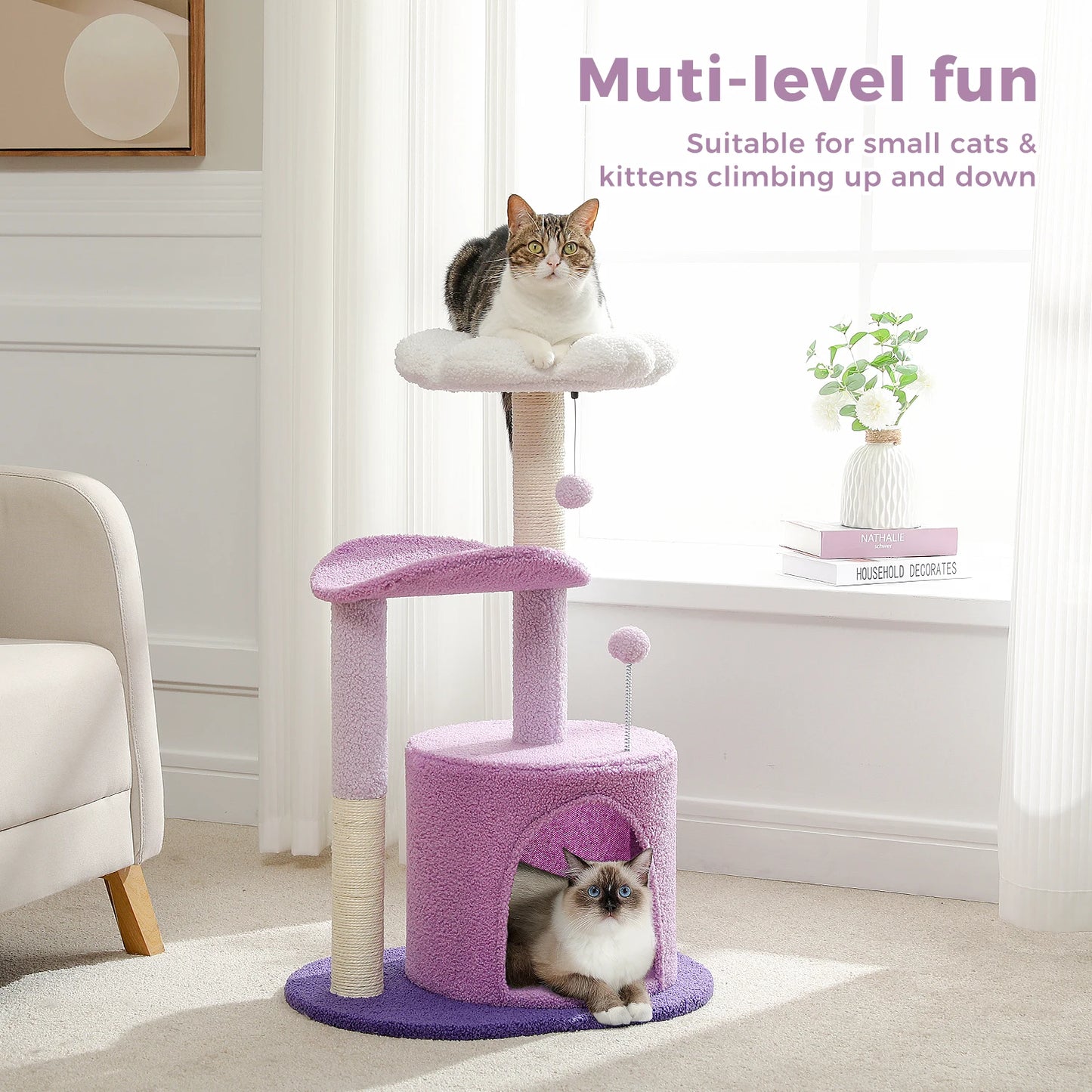
This matters for cat furniture selection because it tells you immediately what will look at home and what will not. A heavily padded cat tower covered in synthetic plush will almost always look out of place in a coastal room, regardless of its colour. The texture reads as artificial, and the visual weight sits awkwardly against lighter, more breathable materials.
What works instead is furniture built from materials that belong to the same design family as the rest of the room.
Materials That Work in a Coastal Setting
Natural Wood
Timber is the single most compatible material for coastal cat furniture. It shares the same material language as the floors, furniture, and architectural details common in coastal homes. Light-stained or natural-finish wood feels particularly appropriate - it references driftwood and raw timber without being overly decorative.
Our 132cm modern minimalist cat tree is a good example of how clean-lined timber construction integrates into a coastal room without competing with the space around it. The proportions are considered, the finish is understated, and it reads as furniture rather than pet accessory - which is exactly what most design-conscious cat owners are working toward.
Sisal
Sisal is a natural plant fibre, and its texture is a natural fit for coastal interiors. It shares a visual quality with rope, rattan, and woven textiles - all materials commonly found in beachside homes. Unlike synthetic carpet or plush, sisal does not look artificial next to natural materials, and it ages in a way that most artificial fabrics do not. If you are looking at cat furniture with scratching posts, sisal-wrapped posts will sit more comfortably in a coastal room than carpet-covered ones.
Linen and Cotton-Look Fabrics
Where upholstery is involved, linen-look or cotton-weave fabrics in neutral tones will sit far more comfortably in a coastal room than synthetic plush. These fabrics breathe visually - they do not create the dense, heavy appearance that carpet-style materials produce in bright interiors.
The Case for Wall-Mounted Cat Furniture in Coastal Homes
One of the defining qualities of a well-executed coastal interior is a sense of spaciousness. These homes tend to feel open, uncrowded, and uncluttered, even when they are not particularly large. Floor space is treated with care - the fewer objects competing for it, the better the room breathes.
This is where wall-mounted cat furniture offers a real advantage. By moving the cat's climbing and resting space off the floor and onto the wall, you preserve the visual openness of the room while still providing everything your cat needs. The furniture becomes part of the architecture rather than something placed in front of it.
Our wall-mounted wooden cat bridge is a strong example of this approach working well in a coastal context. The timber construction connects directly to the coastal material palette, and because it mounts flush against the wall, it creates a clean horizontal element that suits open-plan living spaces without cluttering them.
We have written more broadly about how wood and natural materials are reshaping modern cat furniture design if you want to understand why this material direction has become so dominant in contemporary Australian interiors.
Choosing the Right Scale
Scale is one of the more overlooked aspects of matching cat furniture to a room, and it matters considerably in coastal interiors where the aesthetic tends to favour restraint.
In a typical coastal living room, furniture is selected to feel light rather than heavy - sofas with slim legs, chairs that do not overwhelm, low-profile coffee tables. A large, wide-based cat tower can undermine this balance, even if the materials are right.
For coastal homes, leaner and taller is generally preferable to wide and squat. A narrow cat tree that draws the eye upward complements the vertical elements common in coastal interiors, such as tall windows, open shelving, and floor-to-ceiling curtains. A wide, layered structure with multiple heavy platforms tends to read as too dense for the room.
Our 113cm cat tree with sisal scratching posts, condo, and hammock is a well-proportioned option in this regard. It offers a cat meaningful height, a scratching surface, and a resting spot without the visual weight that comes from wider, more heavily built alternatives. The sisal posts and neutral upholstery read cleanly against the light walls and timber tones typical of coastal homes.
If you are exploring the full range of cat towers available, our cat tower collection includes a variety of styles and heights suited to different room sizes and layouts.
Colour Considerations for Coastal Rooms
In coastal homes, the dominant tones are almost always pale - white walls, light timber, soft blues and greens, warm neutrals. Against this backdrop, very dark cat furniture tends to look heavy, while highly saturated colours tend to look jarring.
The most compatible colour choices for cat furniture in a coastal home are natural timber tones (which connect directly to the room's material palette), off-white or cream upholstery (which blends with wall and linen tones without disappearing entirely), warm grey or greige (a neutral that avoids reading as cold or corporate), and muted sage or soft blue-green used sparingly.
What tends not to work: jet black structures that feel too harsh against pale walls, bright primary colours that carry a playful quality that sits uneasily with the restrained coastal aesthetic, and heavy chocolate browns that can look disconnected from lighter coastal timbers.
We have also covered how to choose cat furniture that works with your home's style in more detail if you are weighing up specific options.
Placement in a Coastal Home
Where you put cat furniture matters as much as what you choose. In a coastal home, placement decisions should take advantage of light and views wherever possible.
Near a window with a water or garden view is the ideal position for a cat perch or tree. Your cat benefits from the visual stimulation and the warmth, and the furniture looks intentional - placed where it makes sense for both occupant and aesthetic.

Along a white or textured wall, particularly one that already carries other wall-mounted elements such as shelving or artwork, is another strong choice. The cat furniture becomes part of an intentional wall arrangement rather than a freestanding object sitting in the middle of the floor.
Avoid positioning cat furniture in ways that block natural light pathways or interrupt sightlines to the outside, as both effects work against the qualities that make a coastal interior feel as it should.
For those thinking about scratching solutions that do not compete with the overall look of the room, it is worth browsing our cat scratching post range for options in natural materials that complement rather than clash with coastal finishes.
Bringing It Together
The common thread in all of the above is intentionality. A coastal interior is not an accident - it results from deliberate choices about materials, scale, colour, and placement. Cat furniture that fits this kind of home is cat furniture that has been chosen with the same level of care.
That does not mean spending hours agonising over every detail. In practice, it comes down to a few clear principles: choose natural materials where possible, keep the scale lean, use neutral or natural tones, and place the furniture where it makes sense for both the room and the light.
At Cat Tree Haven, we stock a range of options suited to exactly this kind of approach. If you are building out a coastal home and want cat furniture that actually belongs in the space rather than sitting awkwardly within it, we are genuinely happy to assist. You might also find our piece on cat-friendly interior design in smaller Aussie apartments useful, as many of the same spatial principles apply to coastal rooms.
Ready to Find the Right Fit?
If you have a specific room, style, or question in mind, we would love to help you find cat furniture that works for your coastal home.
Reach out to the Cat Tree Haven team here and we can point you toward options that suit your space, your cat, and your aesthetic.
Frequently Asked Questions
What type of cat furniture suits a coastal home?
Cat furniture made from natural materials - particularly solid wood and sisal - tends to suit coastal interiors most naturally. Clean lines, neutral tones, and leaner silhouettes work better than bulky, heavily upholstered designs in synthetic fabrics.
What colour cat tree works best in a white coastal interior?
Natural timber finishes, off-white or cream upholstery, warm greys, and muted neutrals all work well against white walls in a coastal home. Avoid very dark structures or saturated colours, which tend to look out of place in paler, light-filled spaces.
Is wall-mounted cat furniture good for open-plan coastal homes?
Yes, wall-mounted cat furniture is a very practical choice for open-plan coastal interiors. It keeps the floor space clear, preserves the room's sense of openness, and can be positioned to make use of natural light and existing wall features.
Where should I put a cat tree in a coastal-style room?
Near a window is often the strongest placement option - it gives your cat a perch with a view and places the furniture in a location that makes visual sense within the room. Along a feature wall with existing wall-mounted elements is another well-suited choice.
What materials should I avoid in a coastal home?
Synthetic plush, faux fur, and shiny artificial fabrics tend to look out of place in coastal interiors. These materials contrast with the natural, breathable textures that define the coastal aesthetic. High-gloss finishes and heavy synthetic carpeting on posts are also worth avoiding.
How do I choose the right size cat tree for a coastal room?
In coastal homes, leaner and taller generally works better than wide and squat. A compact or medium-sized cat tree with a narrow footprint suits the restrained, uncluttered feel of coastal living better than a large, wide-based structure that dominates the floor space.
Can I match cat furniture to existing coastal timber flooring or furniture?
Yes, and it is one of the more effective ways to integrate cat furniture into a coastal interior. Choosing a cat tree with a timber tone close to your floor or existing furniture creates a visual connection that makes the piece feel deliberate rather than incidental.