
A cat tree or scratcher is one of the most used items in a cat-friendly home. It supports daily scratching, stretching, climbing, resting, and observation. Over time, though, even the most well-made cat furniture reaches a point where replacement becomes the smarter and safer option.
At Cat Tree Haven, we regularly hear from Australian cat owners asking the same question: how long should a cat tree or scratcher actually last? The honest answer is that it depends on several factors, including usage, materials, and your cat’s behaviour. In this guide, we walk through what to expect, how to spot the signs of wear, and how to decide when it is time to replace rather than repair.
Key takeaways
- Most cat trees and scratchers need replacing once wear affects safety or usability
- Heavy scratching, climbing, and multi-cat use shorten lifespan
- Visible damage, wobbling, or exposed materials are clear warning signs
- Regular cleaning and maintenance can extend usable life
- Replacing at the right time supports safety, hygiene, and engagement
Why cat trees and scratchers do not last forever
Scratching is not a bad habit. It is a natural and essential behaviour that helps cats maintain claw health, stretch muscles, and mark territory. The downside is that scratching causes gradual wear.
A cat tree or scratcher is designed to absorb this wear so your furniture does not. Over time, materials like sisal rope, carpet, and fabric break down. Structural components may loosen, especially in taller designs or homes with more than one cat.
At Cat Tree Haven, we focus on durability, but even quality materials have limits when used daily. Knowing when those limits are reached helps protect your cat and your home.
Average lifespan of a cat tree or scratcher
There is no single replacement schedule that applies to every household, but general expectations can help guide decisions.
In many homes:
- Cat scratchers often show heavy wear sooner, especially if they are the primary scratching surface
- Medium-height cat trees typically last longer when used by one cat
- Large or multi-level cat trees may experience faster wear at joints and platforms due to climbing and jumping
The more frequently a cat uses a piece of furniture, the sooner wear becomes noticeable. Homes with multiple cats or highly active cats should expect to assess condition more often.
Signs it is time to replace your cat tree or scratcher
Rather than relying on time alone, it is more accurate to look at condition. Below are common indicators that replacement should be considered.

Structural instability
If a cat tree wobbles, leans, or shifts during normal use, it may no longer be safe. This is especially important for taller designs, where instability increases fall risk.
Severely worn scratching surfaces
When sisal rope or scratching fabric is shredded to the point that the underlying structure is exposed, the scratcher may no longer provide proper resistance. This can reduce satisfaction and lead cats to seek other surfaces.
Loose platforms or fixings
Bolts and joints can loosen over time. If tightening no longer resolves movement, internal wear may be the cause.
Hygiene concerns
Deeply worn fabric can trap fur, odours, and debris that are difficult to clean fully. This is often overlooked but can affect both comfort and cleanliness.
Our guide on maintaining and cleaning cat furniture properly explains how to extend usability, but replacement is sometimes the more practical option.
How scratching behaviour affects replacement timing
Some cats are gentle users. Others scratch with intensity and consistency. Behaviour plays a major role in lifespan.
Factors that increase wear include:
- Daily, repeated scratching on the same post
- Jumping and launching from platforms
- Sharing between multiple cats
If your cat scratches vigorously or uses the cat tree as a primary climbing structure, expect faster wear on high-contact areas.
In these cases, choosing durable designs and planning for eventual replacement helps avoid surprises.
Replacing scratchers versus replacing the entire cat tree
Not all wear means everything needs replacing. Sometimes the decision is about scale.
When replacing a scratcher makes sense
If the structure is stable but the scratching surface is worn, replacing the scratcher alone can be enough. Options from our cat scratching post collection are designed to take the brunt of claw activity.
A simple, durable option like the cat scratching post with sisal board and interactive toy can reduce wear on larger furniture pieces.
When the entire cat tree should be replaced
If the base is unstable, platforms are cracked, or joints are failing, replacing the whole unit is usually safer than attempting repairs.
For many homes, upgrading to a more robust structure such as the 153cm tall cat tree with large condo and perch can restore confidence and daily use.
Safety should always come first
A worn cat tree is not just less appealing. It can become a safety issue. Cats rely on secure footing when climbing and jumping. A sudden collapse or slip can cause injury, particularly for older cats.
We recommend reviewing safety considerations outlined in our article on keeping tall cat furniture stable at home whenever assessing whether a replacement is needed.
If safety feels uncertain, replacement is the responsible choice.
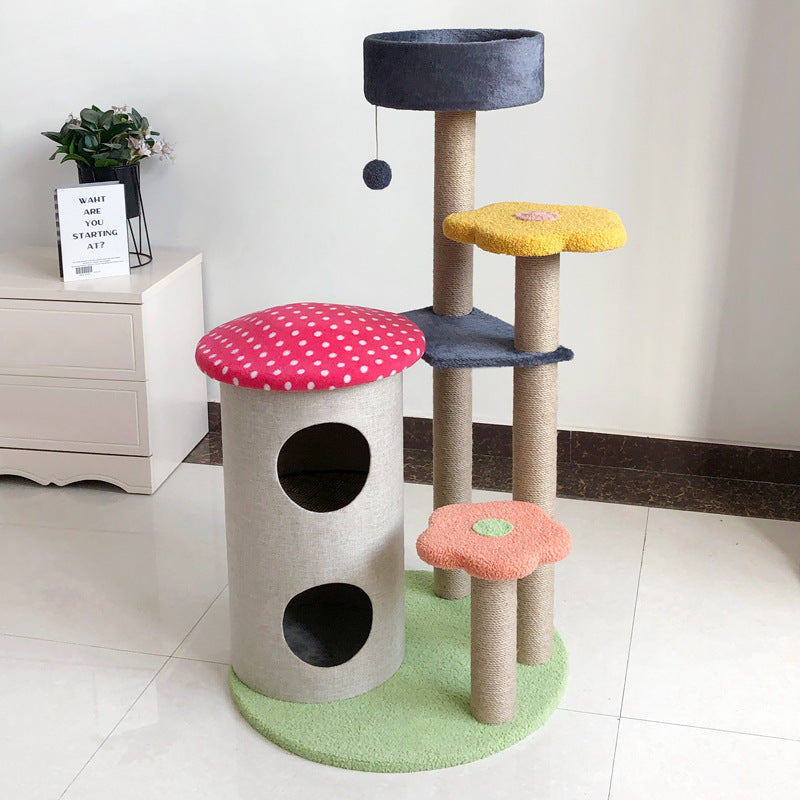
How maintenance can extend usable life
While replacement is inevitable, good maintenance can delay it.
Helpful practices include:
- Vacuuming regularly to remove fur and grit
- Tightening bolts and fittings as part of routine checks
- Rotating or repositioning scratchers to distribute wear
These steps can make a noticeable difference, especially for single-cat households. However, maintenance should not be used to justify keeping furniture that has become unsafe.
Considering your cat’s age and needs
A cat’s stage of life also affects replacement decisions.
- Kittens may outgrow small or simple designs quickly
- Adult cats often benefit from more complex, durable structures
- Senior cats may need lower, more stable designs as mobility changes
If your cat’s needs have changed, replacement can be an opportunity to choose furniture that better suits their current behaviour rather than simply matching what they had before.
Choosing your next cat tree or scratcher wisely
When replacing a cat tree or scratcher, it helps to reflect on what worked and what did not.
Consider:
- Which areas your cat used most
- Whether height, layout, or materials suited your home
- How wear developed over time
For many Australian homes, mid to tall designs from our large cat tree range for everyday living spaces offer a practical balance between durability and footprint.
Highly active cats may also benefit from taller options like the 210-274cm adjustable floor-to-ceiling cat tower, which distributes use across multiple levels.
Replacement as part of responsible cat care
Replacing a cat tree or scratcher is not wasteful. It is part of maintaining a safe, enriching environment. Cats rely on these items daily, and worn furniture can quietly reduce quality of life.
At Cat Tree Haven, we see replacement as an opportunity to reassess space, behaviour, and comfort. Choosing the right moment ensures your cat continues to scratch, climb, and rest with confidence.
Need help deciding if it is time?
If you are unsure whether your current cat tree or scratcher should be replaced, our team is happy to help. We can guide you based on wear, usage, and your cat’s needs.
Contact Cat Tree Haven here for personalised advice and product recommendations.
Frequently asked questions
How long does a cat scratcher usually last?
This depends on use and material. Heavy daily scratching can shorten lifespan, while lighter use may extend it.
Is it safe to repair a damaged cat tree?
Minor tightening is fine, but structural damage often means replacement is safer than repair.
Can a worn cat tree cause behaviour problems?
If scratching surfaces no longer work, cats may redirect scratching to furniture or carpets.
How do I know if a cat tree is unstable?
If it moves significantly during normal use or cannot be stabilised by tightening fittings, it may be unsafe.
Should I replace a cat tree when my cat ages?
Often yes. Senior cats benefit from designs that match reduced mobility and need more stability.
Do multi-cat homes need more frequent replacement?
Shared use usually increases wear, so condition should be checked more often.
Can cleaning extend the life of a cat tree?
Regular cleaning and checks can help, but they do not prevent eventual material breakdown.