
At Cat Tree Haven, we speak to many Australian cat owners who worry that their once playful cat now prefers sleeping all day. While some cats are naturally more relaxed than others, long periods of inactivity can lead to boredom, weight gain and behavioural issues. The good news is that with the right environment and gentle encouragement, even the laziest cats can rediscover their love for climbing and play.
In this guide, we share practical, realistic ways to help your cat become more active again using thoughtful setup, routine changes and well designed cat furniture from Cat Tree Haven.
Key takeaways
- Low energy in cats is often linked to environment, routine or lack of stimulation
- Vertical space encourages natural climbing and exploration instincts
- The right cat tree design can make movement feel safe and achievable
- Small changes in placement and play routines can have a big impact
- Consistent, pressure free encouragement works better than forcing activity
Understanding why some cats become inactive
Before trying to motivate your cat, it helps to understand why they may appear lazy. Many indoor cats experience reduced activity because their environment does not challenge them physically or mentally. Others slow down due to age, weight changes or lack of confidence when climbing.
Cats are instinctive climbers, but they also value safety and comfort. If climbing feels unstable or intimidating, they will avoid it. At Cat Tree Haven, we design our range with this balance in mind, offering stable structures that encourage gradual movement without overwhelming your cat.
If your cat shows sudden or extreme changes in energy levels, it is always sensible to consult a qualified veterinarian to rule out health concerns. Once medical issues are excluded, environmental enrichment is often the next step.
Why climbing matters for indoor cats
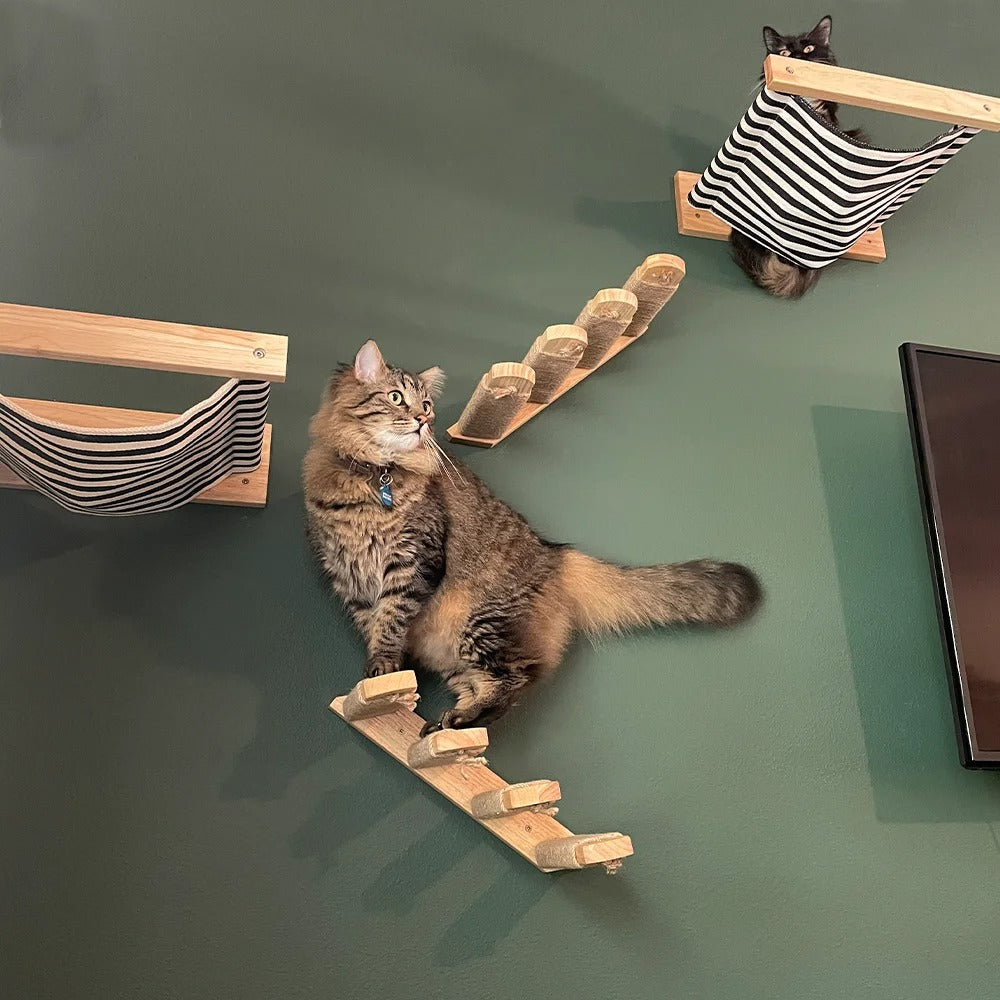
Climbing is not just play for cats. It supports joint movement, muscle tone and mental stimulation. Vertical space allows cats to observe their surroundings, retreat when they need rest and feel secure in their territory.
Research into feline behaviour consistently shows that cats with access to vertical furniture are more confident and engaged in their environment. This is why thoughtfully designed cat trees and towers are such a valuable investment for indoor cats.
We explore this topic in more detail in our guide on how cat trees promote healthy exercise for indoor cats, which explains how even short bursts of climbing can support long term wellbeing.
Start with the right type of cat tree
Not all cat trees suit every cat. Lazy or low confidence cats often struggle with tall, steep designs that require big jumps. Starting with the right structure makes a noticeable difference.
Choose gradual height and easy access
Cats that are reluctant to climb respond better to designs with multiple low platforms rather than one tall leap. Our small cat trees under 100cm are ideal for encouraging movement without intimidation. These provide stepping points that feel achievable and safe.
As confidence improves, you can consider taller options with more variety, such as those in our large cat trees collection, which offer vertical challenge while maintaining stability.
Prioritise stability and materials
Wobbly or poorly weighted furniture discourages use. Cats quickly remember negative experiences. At Cat Tree Haven, we focus on solid bases, quality sisal and well spaced platforms so cats feel secure when moving.
A product like the multi-level cat tree with condo and scrapers combines climbing, resting and scratching in one structure, making it more appealing to hesitant cats.
Make the cat tree part of daily life
Even the best cat tree will be ignored if it is placed in the wrong location. Cats are observant and social creatures, even when they seem independent.
Place it where life happens
Position the cat tree near windows, living areas or spots where your cat already spends time. A view of the outdoors can naturally encourage climbing as cats watch birds, people and movement outside.
Our article on creative placement ideas for cat trees in your home explains how thoughtful positioning can turn unused furniture into a favourite perch.
Avoid isolating the setup
Placing a cat tree in a quiet corner may seem logical, but many cats prefer to stay connected to household activity. A well placed tree allows them to observe while feeling secure above ground level.
Use play to reintroduce movement
Play is one of the most effective ways to encourage lazy cats to move. The key is to make play feel natural and low pressure.
Short, frequent play sessions
Instead of long play sessions, aim for short bursts throughout the day. Wand toys, teaser strings and lightweight balls work well when used near or on the cat tree. Encourage your cat to stretch, reach and step up gradually.
You can also hang toys from platforms or integrate them into the structure. Our cat tower with scratch board and climbing tree includes integrated elements that support both play and scratching.
Follow your cat’s pace
Some cats engage slowly. Let them observe first. Even watching the toy counts as mental stimulation. Over time, curiosity often leads to movement.
Combine climbing with comfort
Lazy cats are often comfort focused. If a cat tree feels like hard work with no reward, motivation drops.
Add inviting rest zones
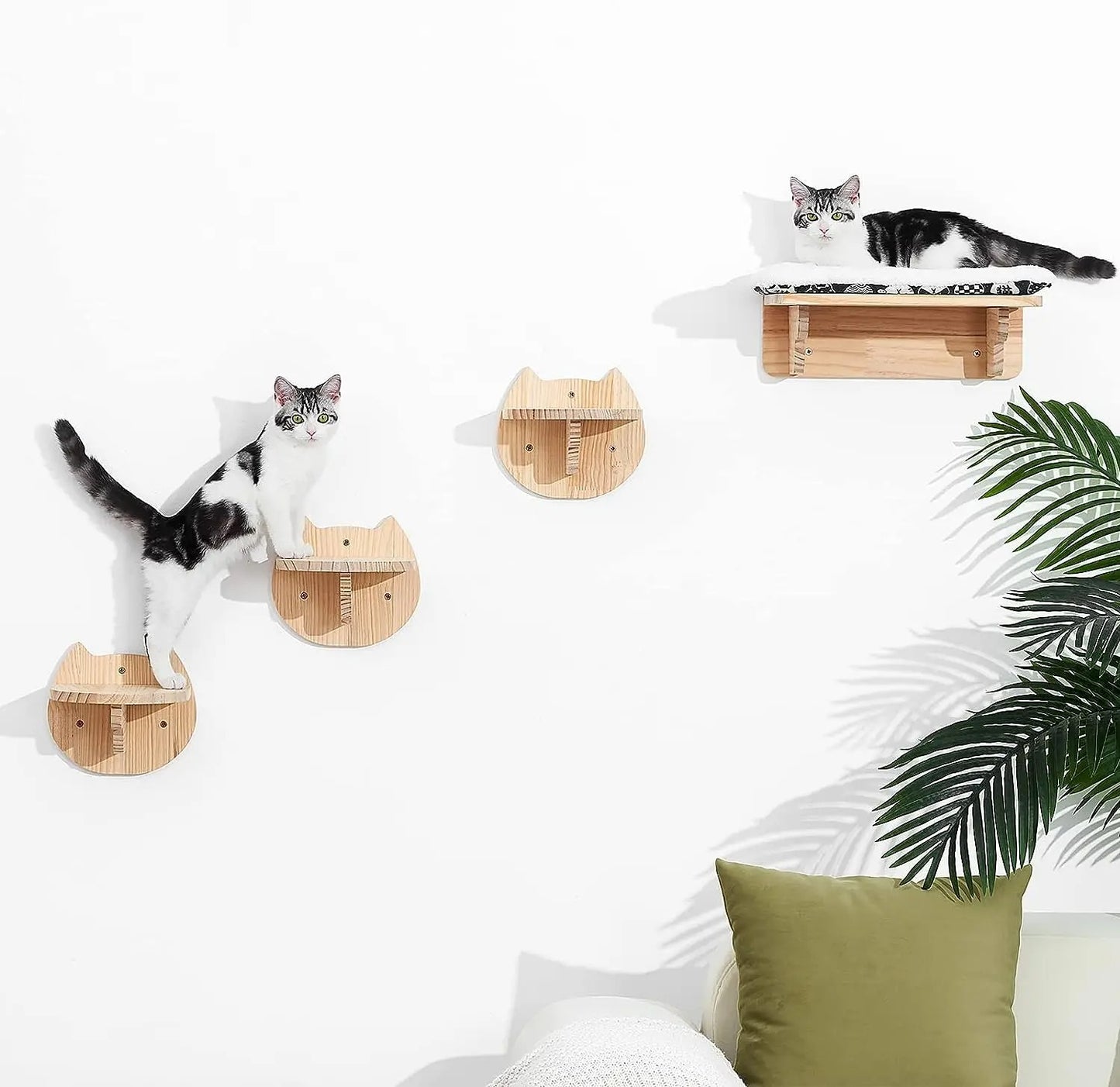
Platforms with soft coverings, hammocks or enclosed condos encourage cats to climb because there is a comfortable destination. The 153cm tall cat tower with large condo and perch bed is a good example of combining vertical movement with relaxation.
Cats quickly learn that climbing leads to rest, warmth and security.
Rotate textures and scents
Occasionally adding cat safe scent attractants or rotating scratching textures can renew interest. This helps prevent boredom and keeps the environment engaging without major changes.
Support confidence in older or hesitant cats
Age does not automatically mean inactivity, but older cats benefit from supportive design.
Our guide on choosing a cat tree for older or less mobile cats outlines features such as wider platforms, lower step heights and supportive materials that make climbing safer and more appealing.
Gentle encouragement, rather than pushing limits, helps build trust and long term engagement.
Create a routine that encourages movement
Cats thrive on predictability. A simple routine that includes play, feeding and rest around the cat tree can naturally increase activity.
For example, placing treats on lower platforms or using the tree as part of pre-meal play helps reinforce positive association. Over time, climbing becomes part of daily life rather than a chore.
At Cat Tree Haven, we see this approach work well across a wide range of cats, from kittens to seniors.
Why quality cat furniture makes a difference
Cheap or poorly designed furniture often ends up unused. Investing in quality saves frustration and encourages long term use. Our range at Cat Tree Haven is selected to balance durability, safety and visual appeal, making it easier for cats and owners to enjoy the same space.
If you are unsure which option suits your cat’s personality and energy level, our team is always happy to help you choose thoughtfully rather than quickly.
Encouraging activity without pressure
The most important principle when motivating a lazy cat is patience. Cats respond best to environments that feel safe, familiar and rewarding. Small improvements in movement often add up to meaningful changes over time.
At Cat Tree Haven, we believe in creating spaces that support your cat’s natural instincts without forcing behaviour. When climbing and play feel enjoyable, cats choose them willingly.
Ready to help your cat move more confidently?
If you would like personalised advice on choosing the right cat tree or setting up a more engaging environment, we are here to help. Contact our team and let us guide you toward solutions that suit both your cat and your home.
Get in touch with Cat Tree Haven
Frequently asked questions
Why is my cat suddenly less active indoors?
Reduced activity can be linked to boredom, environmental changes or age related comfort preferences. If changes are sudden or severe, a veterinary check is recommended before making lifestyle adjustments.
Can cat trees really help lazy cats exercise?
Yes, when designed and placed correctly, cat trees encourage natural climbing, stretching and exploration without forcing movement.
What height cat tree is best for low energy cats?
Lower or mid height trees with multiple platforms are often more suitable. They allow gradual movement and feel safer for hesitant climbers.
How long does it take for a cat to start using a new cat tree?
Some cats use it immediately, while others may take several days or weeks. Patience, placement and gentle encouragement help speed up acceptance.
Should I use treats to encourage climbing?
Small treats can help create positive association, but they should be used sparingly and as part of a balanced routine.
Are older cats too old for climbing?
Most older cats can still benefit from gentle climbing if the structure supports their mobility and comfort.
Where should I place a cat tree for best results?
Near windows or common living areas works well. Cats enjoy observing activity while feeling elevated and secure.