
Minimalism is not about removing comfort. It is about choosing pieces that serve a purpose without overwhelming your space. At Cat Tree Haven, we see a growing number of Australian households looking for cat furniture that supports their cat’s needs while keeping their home calm, organised, and visually balanced.
Minimalist cat furniture focuses on function first. Every platform, post, and resting space exists for a reason. When done well, this approach reduces clutter, improves flow within the home, and creates an environment where both cats and people feel at ease.
Key takeaways
- Minimalist cat furniture prioritises function without visual overload
- Clean lines and neutral materials blend easily into modern homes
- Vertical and wall-mounted designs reduce floor clutter
- Fewer, well-chosen pieces often work better than multiple bulky items
- Minimalist setups can still fully support natural cat behaviour
What minimalist cat furniture really means
Minimalist cat furniture is often misunderstood as sparse or lacking comfort. In reality, it focuses on intentional design. Each element supports a specific feline need such as climbing, scratching, resting, or observing.
Rather than adding multiple standalone items, minimalist setups rely on fewer pieces that serve multiple purposes. This approach reduces visual noise while still offering enrichment.
At Cat Tree Haven, our minimalist designs are guided by how cats naturally move through space, not by decoration alone.
Why clutter affects both cats and people
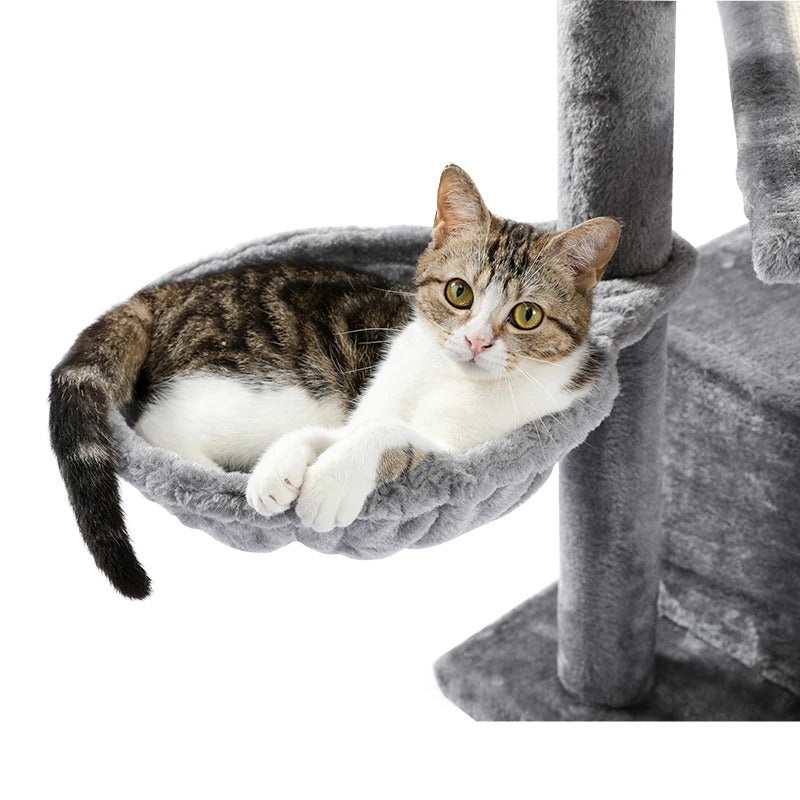
Cluttered environments can feel overwhelming for humans, but they can also impact cats. Too many bulky items can disrupt movement patterns, limit clear sightlines, and reduce usable space.
Cats often prefer environments where they can move smoothly between levels and observe their surroundings without obstruction. Minimalist furniture supports this by creating clear pathways and predictable resting spots.
For people, fewer pieces mean easier cleaning, improved layout flexibility, and a home that feels more intentional.
Choosing fewer pieces with more purpose
One of the core principles of minimalist cat furniture is quality over quantity. Instead of several small items scattered throughout the home, a single well-designed piece can often meet multiple needs.
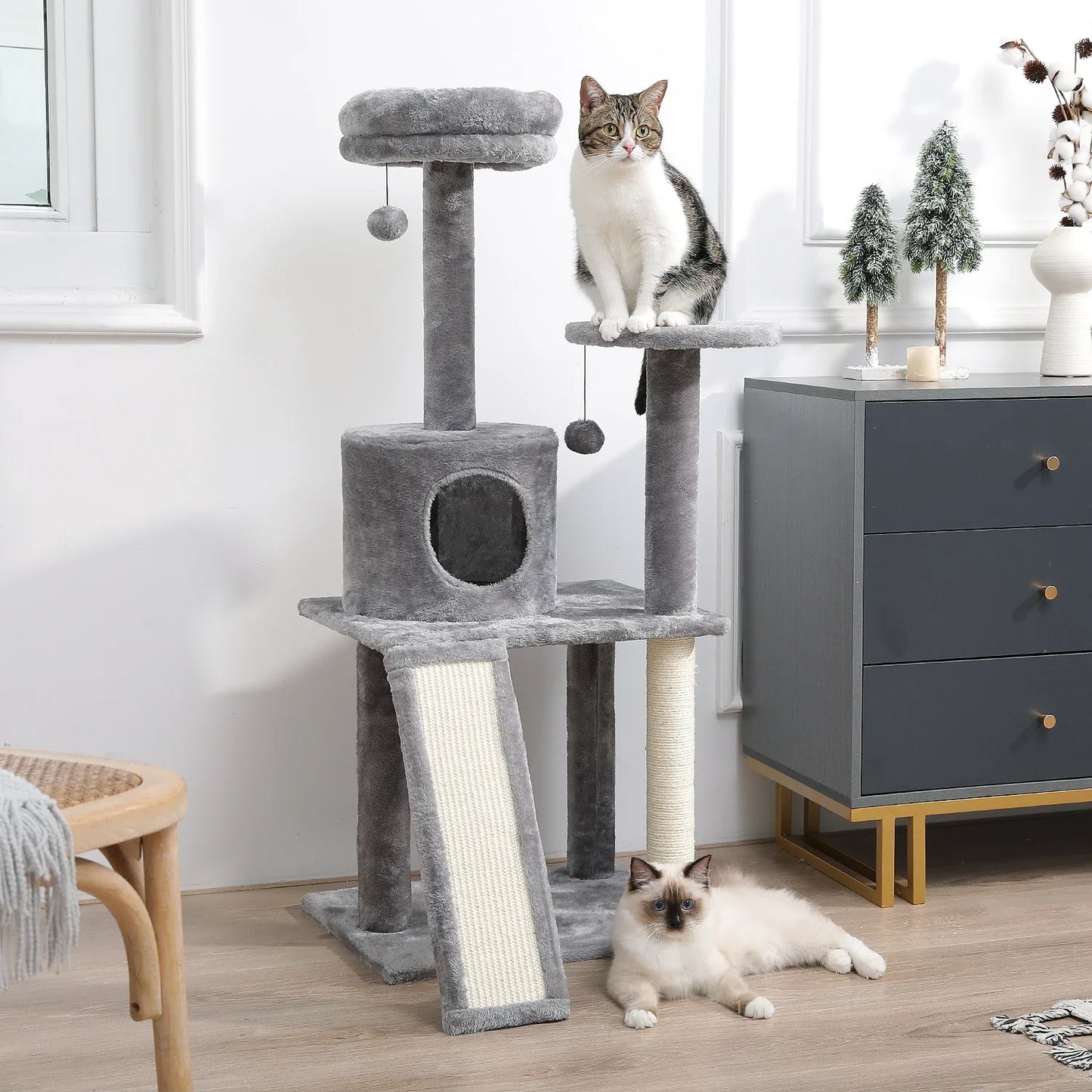
A thoughtfully designed cat tree can provide climbing, scratching, resting, and observation all in one structure. This reduces the need for additional furniture and keeps the space visually cohesive.
Our large cat tree range includes designs that balance height, stability, and simplicity, making them suitable for open living areas without dominating the room.
Clean lines and neutral materials
Minimalist interiors often rely on natural materials and muted colour palettes. Cat furniture that follows the same principles integrates more easily into these spaces.
Wood finishes, neutral fabrics, and simple silhouettes tend to blend into existing décor rather than compete with it. These materials also age well and suit a wide range of interior styles commonly found in Australian homes.
Cat Tree Haven focuses on designs that feel like furniture first and pet products second, which helps them sit comfortably in shared living spaces.
Using vertical space to minimise floor clutter
Floor space is where clutter is most noticeable. One of the most effective ways to reduce visual congestion is to move activity upward.
Wall-mounted furniture allows cats to climb and rest without occupying valuable floor space. When installed with intention, these pieces can resemble shelving or architectural features rather than pet accessories.
Our wall-mounted cat sets are designed to support this approach, offering functional climbing and resting zones while maintaining a clean visual profile.
This is particularly helpful in apartments and smaller homes where every square metre matters.
Minimalist design still supports natural behaviour
A common concern is whether minimalist cat furniture provides enough stimulation. The answer depends on design, not size.
Cats need vertical access, scratching surfaces, and secure resting areas. A minimalist piece that includes these elements can be just as effective as a larger, more complex setup.
For example, a streamlined option like the 147cm modern minimalist style cat tree provides climbing levels, scratching posts, and resting platforms without unnecessary bulk.
Similarly, the 97cm Scandinavian style cat tree offers a compact footprint while still supporting essential behaviours.
Supporting calm behaviour through simplicity
Minimalist environments tend to feel calmer because there is less visual and physical distraction. Cats often respond positively to this kind of setting.
Clear spaces allow cats to predict movement, choose resting spots easily, and feel more in control of their surroundings. This can support relaxed behaviour, especially in indoor-only homes.
The relationship between environment and emotional wellbeing is explored further in our article on why cat trees are essential for your cat’s mental health, which highlights how structure and enrichment work together.
Minimalism in small spaces and apartments
Minimalist cat furniture is particularly effective in smaller homes. Rather than trying to fit multiple items into limited space, a single vertical or wall-mounted solution can meet most needs.
This approach keeps walkways clear and maintains a sense of openness. It also makes cleaning and rearranging easier, which is important in compact living environments.
Our guide on space-saving cat trees for compact homes expands on how thoughtful furniture choices can improve both function and flow.
Placement matters as much as design
Even minimalist furniture can feel intrusive if placed poorly. Thoughtful placement helps furniture blend into the room rather than interrupt it.
Cats often prefer quiet corners or areas near windows. These locations also tend to work well visually, as they avoid the centre of the room or main walkways.
Placement ideas are explored further in our resource on creative ways to position cat furniture at home, which focuses on balancing behaviour and layout.
Building a minimalist setup over time
Minimalism does not require changing everything at once. Many households start by replacing bulky or underused items with more streamlined alternatives.
Over time, this leads to a setup that feels intentional rather than crowded. Choosing furniture that adapts to different layouts also helps maintain flexibility as your home or your cat’s needs change.
At Cat Tree Haven, we encourage thoughtful selection rather than impulse buying. This approach supports both long-term use and visual harmony.
Minimalist living with Cat Tree Haven
Minimalist cat furniture is about doing more with less. When each piece serves a clear purpose, homes feel calmer and cats feel supported.
At Cat Tree Haven, we design and curate furniture that respects both feline behaviour and modern living spaces. Our goal is to help create homes where cats thrive without clutter taking over.
You can explore our full range at Cat Tree Haven or reach out to us via our contact page if you would like personalised guidance on creating a minimalist setup for your home.
Frequently asked questions
What makes cat furniture minimalist?
Minimalist cat furniture focuses on clean lines, neutral materials, and multi-functional design without unnecessary elements.
Is minimalist cat furniture suitable for active cats?
Yes, provided it includes vertical access, scratching surfaces, and stable platforms.
Can minimalist furniture work in small apartments?
It is often ideal for small spaces, especially when vertical or wall-mounted designs are used.
Does minimalist furniture reduce enrichment for cats?
Not when designed well. Function matters more than size or complexity.
How many pieces of cat furniture does a home need?
This varies by cat, but many homes find that one well-designed piece meets most needs.
Is wall-mounted cat furniture safe?
When installed correctly and used as intended, wall-mounted designs can be a stable and space-efficient option.
How do I start transitioning to a minimalist setup?
Begin by identifying which items your cat uses most and replace bulky pieces with streamlined alternatives over time.