
Choosing the right scratching material is not just about protecting your furniture. It affects your cat’s health, behaviour, and even the environmental footprint of your home. At Cat Tree Haven, we are often asked whether recycled sisal or natural sisal is the better choice for cats and the planet.
The answer is not as simple as one being good and the other bad. Both materials have strengths and trade-offs depending on how they are sourced, processed, and used. This guide breaks it all down clearly so you can make an informed decision that suits your cat, your home, and your values.
Key takeaways
- Sisal is popular because it supports natural scratching behaviour and claw health
- Natural sisal is plant-based, durable, and widely used in quality cat trees
- Recycled sisal can reduce waste but varies greatly in quality and safety
- Cats tend to prefer consistent texture and firmness over novelty
- Material choice should balance durability, safety, and environmental impact
Why sisal matters so much for cats
Scratching is not a bad habit. It is a deeply ingrained feline behaviour linked to physical and emotional wellbeing. Cats scratch to maintain claw condition, stretch their muscles, mark territory, and release stress.
The surface they scratch on makes a real difference. Sisal has become a trusted material because it offers resistance without being abrasive, allowing cats to dig in and pull without damaging their claws.
Many of our designs at Cat Tree Haven use sisal strategically on posts and climbing areas because it supports healthy scratching while holding up to daily use in Australian homes.

What natural sisal actually is
Natural sisal comes from the leaves of the agave plant. The fibres are extracted, dried, and spun into rope or fabric. This process creates a strong, textured material that cats instinctively enjoy scratching.
Benefits of natural sisal
Natural sisal has remained popular for good reason.
- It offers a consistent texture that cats quickly recognise and accept
- The fibres are tough and long-lasting when properly wrapped
- It is plant-based and biodegradable over time
- It performs well in both vertical and horizontal scratching posts
Many of the items in our cat scratching post collection rely on natural sisal because it balances durability with a familiar feel for cats.
Environmental considerations
Natural does not automatically mean perfect for the planet. Growing and processing agave requires land, water, and energy. However, when responsibly sourced and used in long-lasting products, natural sisal can be a reasonable option for households aiming to reduce frequent replacements.
What recycled sisal means in practice
Recycled sisal usually refers to fibres reclaimed from offcuts, discarded rope, or textile waste that are then reprocessed into new scratching materials. In theory, this reduces landfill waste and the need for new raw materials.
In practice, recycled sisal varies widely.
Potential advantages
- Reduces waste by reusing existing fibres
- Can lower demand for newly grown agave
- Appeals to environmentally conscious buyers
Common challenges
Not all recycled sisal is created equal. Some products mix sisal with synthetic fibres to improve strength or reduce cost. This can change the texture and feel, which some cats do not enjoy.
There can also be inconsistencies in thickness, firmness, and wear. For cats who scratch aggressively or daily, these differences matter.
This is why we evaluate materials carefully before using them in any Cat Tree Haven design. Our priority is always your cat’s safety and comfort first, with sustainability as a close second.
How cats respond to recycled vs natural sisal
Cats are surprisingly selective. While humans may focus on eco labels, cats focus on feel, resistance, and stability.
Based on customer feedback and product performance, cats generally care about:
- Firm anchoring that does not wobble
- A rough but not sharp texture
- Consistent resistance when pulling claws downward
Natural sisal tends to meet these expectations more reliably. Some recycled sisal products work well, but others feel too soft, too smooth, or wear unevenly over time.
If you are choosing a multi-level structure from our cat tower collection, consistent scratching surfaces become even more important, especially in multi-cat households where wear is faster.
Durability and long-term value
Durability is not just about how long a product lasts. It also affects sustainability. Replacing a poorly performing scratching post every few months creates more waste than using a durable one for years.
Natural sisal, when tightly wrapped and well secured, generally offers longer service life. You can see this design approach in products like the large cat tree with integrated sisal columns, where the sisal is placed exactly where cats scratch most.
Recycled sisal can be durable, but results depend heavily on manufacturing quality. Without proper binding and testing, recycled fibres may fray faster.
Safety considerations you should not ignore
Safety matters as much as sustainability.
Low-quality materials can shed fibres that cats may ingest during grooming. Excessive shedding can also create loose strands that catch claws.
At Cat Tree Haven, we look for:
- Secure wrapping with minimal loose ends
- No chemical coatings or artificial fragrances
- Stable attachment to prevent movement while scratching
This is also why we recommend following care guidance like those outlined in our article on maintaining cat trees for long-lasting use. Proper care extends lifespan and reduces safety risks.
Environmental impact beyond the material itself
It is easy to focus only on whether a material is recycled or natural. The bigger picture includes product lifespan, shipping efficiency, and how often replacements are needed.
A well-made scratching post that lasts several years can be more environmentally responsible than a recycled option that fails quickly.
We also encourage customers to think about placement and usage. Our guide on eco-friendly and sustainable cat trees explores how design choices affect both cats and the planet.
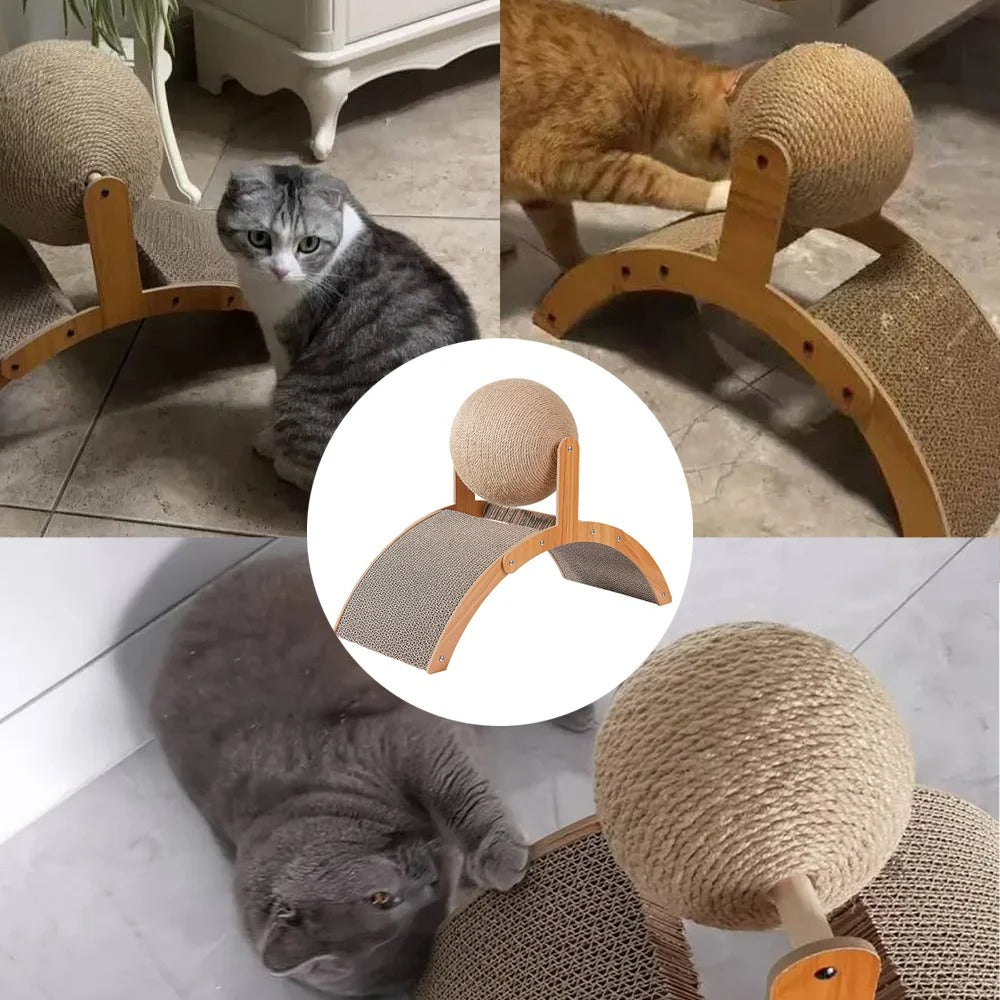
How to choose what is right for your home
There is no universal best option for every household. Instead, consider these factors:
- How often your cat scratches and how forcefully
- Whether you have one cat or multiple
- How important long-term durability is for you
- Your comfort level with recycled materials of varying quality
If your priority is reliability and predictable performance, natural sisal is often the safer choice. If sustainability is your main focus and the product is well-made, recycled sisal can also be suitable.
Products like the multi-level cat tree with condo and sisal scrapers are designed to balance scratching needs with everyday living, regardless of material preference.
Our approach at Cat Tree Haven
At Cat Tree Haven, we believe responsible pet products should meet three standards: safe for cats, practical for homes, and mindful of environmental impact.
We assess materials based on performance, customer feedback, and long-term use. That is why many of our designs continue to use natural sisal while we carefully evaluate recycled alternatives that meet our quality expectations.
Our goal is not to follow trends, but to offer solutions that genuinely improve life for cats and their humans.
Final thoughts
Recycled sisal and natural sisal both have a place in the conversation around sustainable pet products. What matters most is how the material is sourced, processed, and used within a well-designed structure.
Cats care about comfort and function. The planet benefits from products that last longer and need replacing less often. When these goals align, everyone wins.
If you would like guidance choosing the right scratching solution for your home, our team is always happy to help.
Get in touch with us here: Contact Cat Tree Haven
Frequently asked questions
Is natural sisal safe for cats?
Natural sisal is widely used in cat furniture and is generally considered safe when properly processed and securely wrapped.
Does recycled sisal shed more than natural sisal?
It can, depending on fibre quality and construction. Well-made recycled sisal performs better than low-quality versions.
Do cats prefer one type of sisal over another?
Most cats respond more to texture and firmness than the source of the material.
Is recycled sisal always better for the environment?
Not necessarily. Short product lifespan can reduce environmental benefits if replacements are frequent.
How long should a sisal scratching post last?
With regular use, a well-made sisal post can last several years, depending on scratching intensity.
Can sisal be replaced when worn out?
Some cat trees allow for sisal rope replacement, which can extend the life of the structure.
How do I know if my cat needs a new scratching surface?
Excessive fraying, loose fibres, or reduced interest from your cat can all be signs it is time to replace or upgrade.