
Key Takeaways
- Warm earthy neutrals, muted greens, and natural timber tones are dominating Australian interior palettes right now
- Cat furniture in these shades is far easier to integrate into a considered home without it looking out of place
- Colour and material work together - the finish matters as much as the shade
- Darker accent tones are becoming more common in modern Australian homes, and cat furniture is following suit
- Choosing cat furniture by colour is not just a style decision - it affects how visible wear and fur will be over time
- Pieces that align with the room's existing palette tend to get better placement, which benefits the cat as much as the owner
When you are putting thought into your home's interior - the cushion colours, the throw on the sofa, the art on the wall - it is easy to feel like the cat tree is the one thing that refuses to cooperate. Most traditional cat furniture was designed with the cat in mind and almost nothing else. The result is pieces that end up tucked in corners, hidden behind furniture, or quietly resented every time guests come over.
That dynamic is shifting. Cat furniture design has matured considerably, and colour is one of the most visible expressions of that change. At Cat Tree Haven, we have watched Australian homeowners become increasingly particular about how cat furniture fits into their spaces - and the colour question comes up more than almost anything else. Here is what is actually happening in Australian homes right now, and how to use it when making your next purchase.
Why Colour Matters More Than It Used To
A few years ago, cat furniture colour was an afterthought. Most pieces came in beige, grey, or brown, which were considered neutral enough to work anywhere. The problem is that "neutral enough" is not the same as intentional. Furniture that does not clash with a room is not the same as furniture that belongs in it.
As Australian interiors have become more considered - particularly in apartments and newer builds where every square metre counts - cat owners have started applying the same logic to pet furniture that they apply to everything else. The colour of a cat tree affects how much it stands out, how visible fur and wear will be, and whether the piece reads as a design object or an intrusion.
Understanding current colour directions helps you make a choice you will not want to reverse six months later.
The Dominant Colour Direction: Warm Earthy Neutrals
The clearest trend in Australian interiors right now is a move away from cool greys and stark whites toward warmer, earthier tones. Think warm sand, terracotta undertones, oat and linen shades, raw timber finishes, and dusty warm beige. These colours reference natural materials and outdoor environments, which aligns with the broader shift toward biophilic design - an approach that brings elements of the natural world into interior spaces.
For cat furniture, this translates directly to pieces in warm neutral upholstery, natural wood structures, and sisal scratching surfaces. These materials already carry the right tones without needing to be heavily coloured or finished.
Our 150cm multifunctional modern minimalist cat tree reflects this direction well. The clean structure, neutral upholstery, and understated finish sit comfortably within warm-toned interiors without competing for attention. It is the kind of piece that works in a room precisely because it does not try too hard.
Natural Timber as a Colour Statement
Wood is not usually discussed as a colour choice, but in terms of how it reads in a room, it functions like one. The shift toward natural and lightly finished timber in Australian homes has been significant, and cat furniture has followed.
Raw or lightly oiled timber brings a warmth that no paint colour can fully replicate. It connects to flooring, furniture legs, shelving, and architectural details in a way that feels organic rather than coordinated. In rooms with polished concrete, terrazzo, or pale stone surfaces, a timber-framed cat tree provides the warmth that those cooler materials lack.
Our 142cm solid natural wood cat tree with condo and scratching post is a strong example of how natural timber translates into cat furniture that reads as deliberately chosen. The material does a lot of the visual work without requiring the piece to be brightly coloured or particularly decorative.
It is also worth understanding how material affects colour longevity. We have written about how different cat tree materials age and perform over time, and natural finishes on timber tend to hold their appearance better under Australian conditions than synthetic fabrics in pale shades.
The Rise of Muted Green in Australian Interiors
If there is one colour that has shifted from accent to mainstream in Australian homes over the past couple of years, it is muted green. Not the bright, saturated greens of earlier decades - these are dusty sage, eucalyptus, olive, and soft moss tones that reference the Australian landscape without being overtly themed.
This colour direction works well in rooms that already carry natural timber, linen, and rattan. It adds depth without heaviness, and it references the outdoors in a way that feels appropriate for Australian homes specifically.
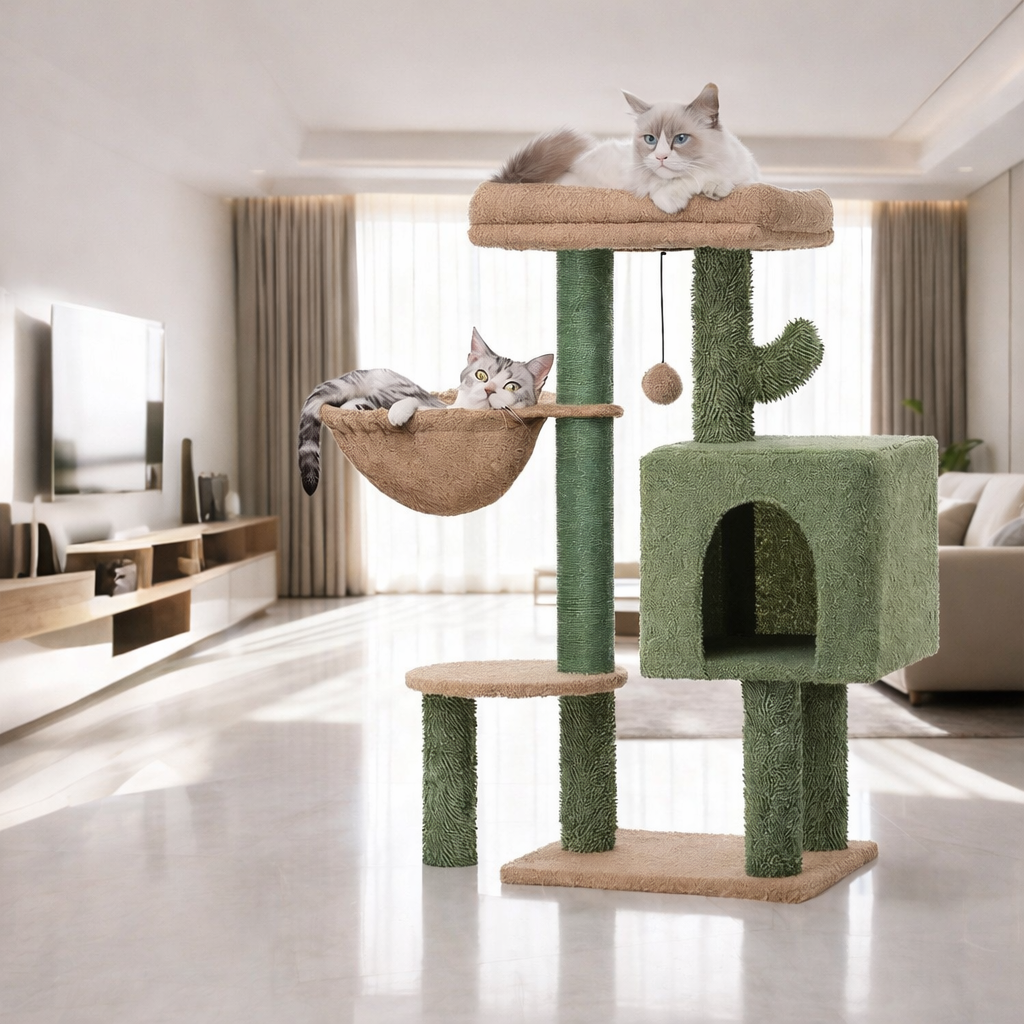
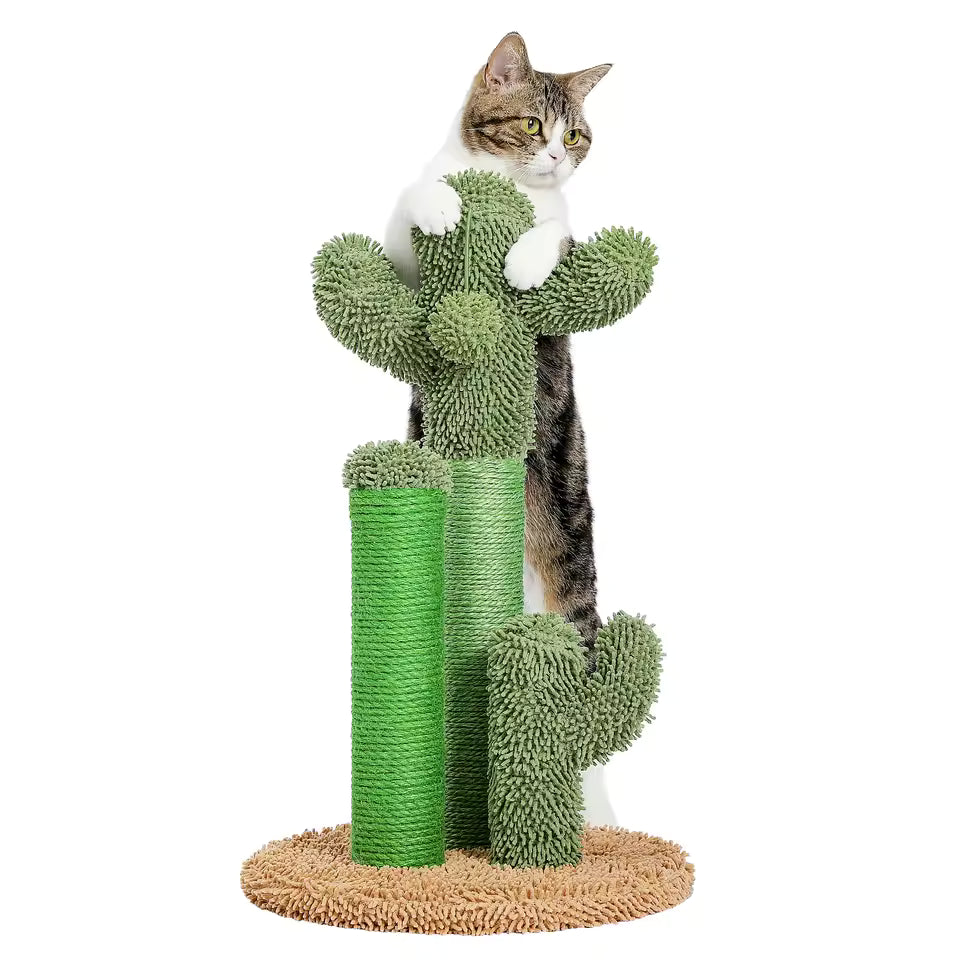
For cat furniture, this has opened up options that would have seemed unusual not long ago. A cactus-style cat tree in natural green, for example, is no longer out of place in a considered interior - it can function as a sculptural element that also happens to be useful.
Our 104cm green pastoral multi-level cactus cat tree sits comfortably within this trend. The green tones reference plants and natural environments rather than looking synthetic, which is the key distinction. In a room with indoor plants, rattan furniture, and warm timber floors, a piece like this reads as cohesive rather than playful.
If you are exploring options within this size range, our compact cat trees under 100cm also include pieces in neutral and natural tones that work within the same colour direction.
Dark Accents: A Growing Presence
Australian interiors have been cautiously introducing darker tones as accent elements - deep charcoal, near-black timber stains, dark navy, and rich forest green as a deeper alternative to the muted sage discussed above. These are used sparingly, typically against white or very pale walls, and they work because the contrast is intentional rather than accidental.
For cat furniture, dark tones present a specific consideration: they show fur far more visibly than mid or light tones. If you have a light-coloured cat, a dark cat tree will require more frequent brushing or lint removal to look presentable. If your cat is dark-coated, the reverse is true with pale furniture.
Beyond the practical question, dark-toned cat furniture can work very well as a deliberate accent - similar to how a dark sofa or charcoal rug is used to ground a room. The key is that the darkness is chosen, not defaulted to. A black cat tower placed against a white wall in a minimal interior can look genuinely considered. The same piece in a cluttered, mixed-tone room can look oppressive.
Our broader range of large cat towers between 100cm and 200cm includes options across this tonal range if you are weighing up what works for your particular room.
What Does Not Work Anymore
As Australian interior palettes have become more deliberate, certain cat furniture colours have started to look dated or mismatched in modern homes.
Cool medium greys, which were extremely prevalent for several years, now tend to look flat against the warmer tones that dominate current interiors. They do not clash exactly, but they do not connect either - they read as leftover from a previous design direction.
Bright primary colours in cat furniture - vivid reds, royal blues, primary yellows - have always struggled to fit into most home interiors, and that has not changed. These work in children's rooms or very specific maximalist spaces, but they are difficult to incorporate into the considered, restrained interiors that are most common in Australian homes today.
Heavily saturated browns, particularly those that lean toward an orange undertone, can also feel disconnected from the warmer but more muted palette that is currently dominant. There is a meaningful difference between warm beige and orange-brown, and it shows in how furniture integrates with a room.
Practical Considerations When Choosing by Colour
Colour is not purely an aesthetic decision - it has practical implications that are worth understanding before you commit.
Pale upholstery shows fur from dark-coated cats very visibly, but it hides wear and fading better than dark fabrics in sun-exposed positions. Mid-tones in warm beige or greige tend to be the most forgiving across multiple cat coat colours. Natural timber and sisal do not carry the same fur-visibility issue as upholstered surfaces, which is one reason they continue to be practical as well as aesthetically appropriate.
Finishes on scratching posts also vary in how they age. Sisal holds its appearance well and develops a natural patina that most homeowners find acceptable. Synthetic carpet scratching surfaces in pale colours tend to look worn and discoloured more quickly. For rooms where appearance matters, this is worth factoring in. We have written about what to consider when choosing materials for your cat's furniture with some practical guidance on longevity and finish quality.
It is also worth considering how colour trends in cat furniture connect to where the industry is heading more broadly. Our piece on where cat furniture design is moving in the coming years covers some of the longer-term shifts that are shaping product development across the category.
Bringing It Together
Choosing cat furniture by colour does not have to feel complicated. The practical approach is to look at the dominant tones already in your room - the walls, the largest furniture pieces, the floor - and select cat furniture that sits within that palette rather than outside it. Warm neutrals, natural timber, and muted greens will connect to most modern Australian interiors without requiring precise matching.
At Cat Tree Haven, we stock a range of pieces in finishes and tones suited to current Australian interior directions. If you are unsure which options fit your specific space, we are happy to help you work through it.
Ready to Find the Right Colour Match for Your Home?
If you have a particular room, colour palette, or style question in mind, the Cat Tree Haven team would love to point you in the right direction.
Get in touch with us here and we can help you find cat furniture that works with your home, not against it.
Frequently Asked Questions
What colour cat furniture is most popular in Australian homes right now?
Warm neutral tones - including oat, linen, warm beige, and natural timber finishes - are most consistent with current Australian interior palettes. Muted greens such as sage and eucalyptus are also increasingly common as the biophilic design trend continues to influence home decor.
What colour cat tree hides fur the most effectively?
Mid-toned warm neutrals such as greige, warm beige, and oat tend to hide fur from both light and dark-coated cats better than very pale or very dark surfaces. Natural sisal and timber surfaces also show less fur accumulation than upholstered platforms.
Are dark-coloured cat trees a good choice for modern interiors?
Dark-toned cat furniture can work well as a deliberate accent against pale walls in minimal interiors. However, dark surfaces show fur from light-coated cats very visibly, so it is worth factoring in your cat's coat colour when deciding.
Is grey cat furniture still in style for Australian homes?
Cool medium greys have become less common in current Australian interior palettes, which have moved toward warmer, earthier tones. If your home already carries grey tones, grey cat furniture can still work - but in warmer-toned spaces it may look slightly disconnected.
What cat furniture colours suit a Scandinavian-style interior?
Natural timber, off-white, warm white, and light grey tones work well in Scandinavian-style interiors. Pieces with clean lines, minimal decoration, and natural material finishes tend to be the most compatible.
Does cat furniture colour affect how quickly it shows wear?
Yes. Very pale upholstery can show discolouration and soil over time, particularly around frequently used areas. Natural materials like sisal and raw timber tend to age more gracefully than synthetic fabrics in lighter shades. Mid-toned neutrals are generally the most practical long-term choice for upholstered surfaces.
How do I match cat furniture to my existing home decor?
Start with the dominant tones already present in the room - walls, flooring, and the largest furniture pieces. Choose cat furniture that sits within the same colour family rather than trying to match precisely. Natural wood tones and warm neutrals are the most versatile starting points for most modern Australian interiors.