
Key Takeaways
- Old cat trees can often be repaired, donated or partially recycled rather than sent straight to landfill
- Separating materials such as timber, metal fixings and fabric improves recycling outcomes
- Some components like sisal posts and solid wood panels may be reusable in DIY projects
- Responsible disposal supports cleaner homes and more sustainable pet ownership
- Choosing durable designs from the start can reduce replacement frequency over time
At some point, every cat owner faces the same question. The once-sturdy cat tree that supported countless climbs, naps and scratching sessions is now wobbling, frayed or simply worn out. It may have served your cat well, but it no longer feels stable or hygienic enough to keep in the house.
At Cat Tree Haven, we spend a lot of time helping customers choose the right furniture for their cats. But we also believe responsible ownership includes knowing what to do when a piece reaches the end of its usable life. Disposing of or recycling an old cat tree properly is part of creating a thoughtful, sustainable home for your pet.
This guide walks through practical options available to Australian cat owners, from repair and reuse to recycling and safe disposal.
Step 1: Decide Whether It Can Be Repaired
Before thinking about disposal, assess whether the cat tree truly needs replacing. In many cases, issues such as loose bolts, frayed sisal or detached platforms can be fixed.
Loose joints can sometimes be tightened with basic tools. Worn scratching posts may be rewrapped with new sisal rope. Surface fabrics can often be cleaned or replaced. We have outlined routine care strategies in our guide on maintaining your cat tree for long-term use, which can help extend lifespan and delay replacement.
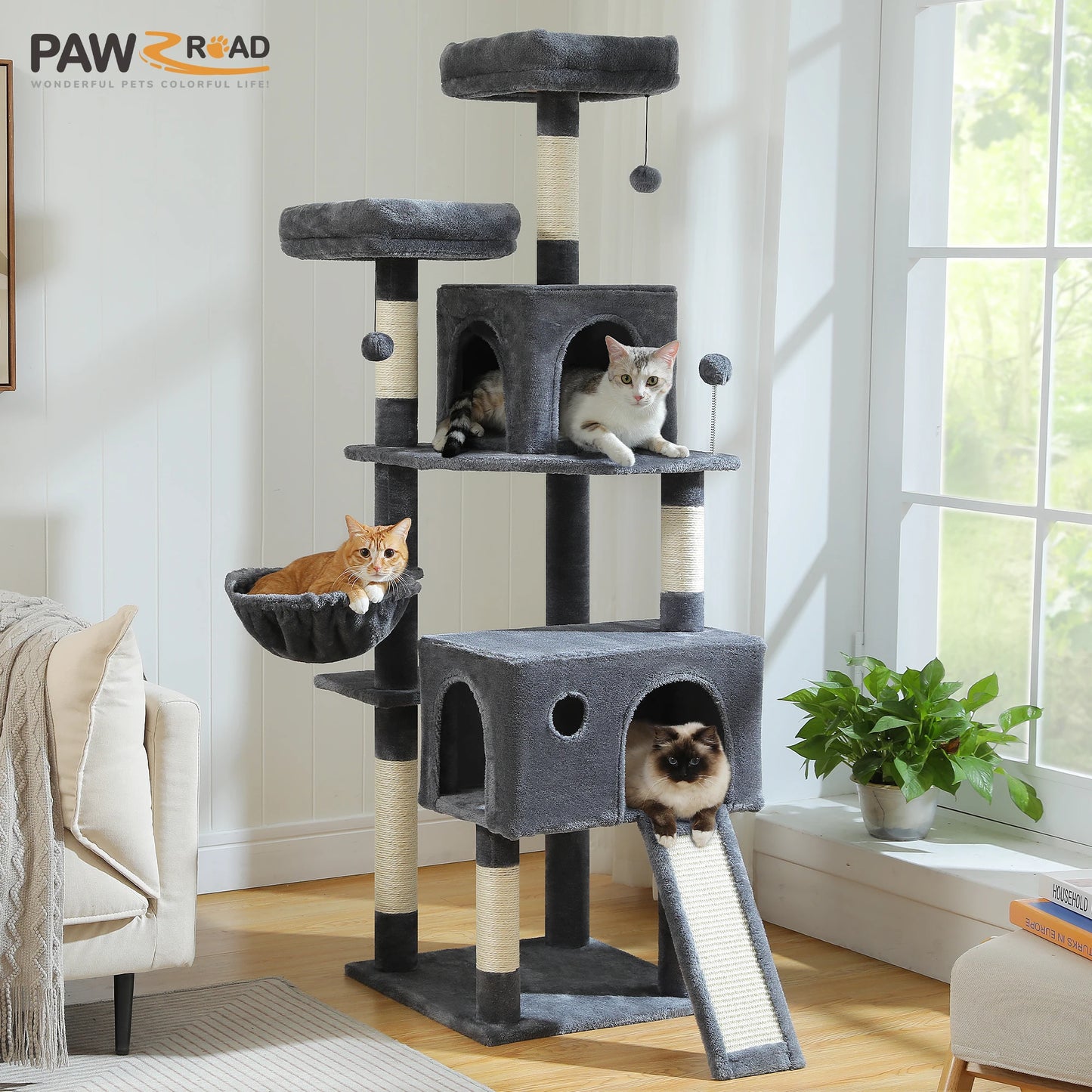
However, if the internal structure is cracked, severely unstable, or affected by moisture damage, replacement may be the safer option. Structural integrity matters for your cat’s safety, particularly in taller models.
Step 2: Consider Donation or Rehoming
If the tree is still structurally sound but no longer suits your space or style, donation may be possible.
Local animal shelters, rescue groups or foster carers occasionally accept used cat furniture, provided it is clean and safe. It is important to contact the organisation first. Many shelters have strict hygiene policies and may decline heavily used items.
Alternatively, online community marketplaces can be an option. Some cat owners are happy to refurbish a second-hand structure themselves. Be transparent about condition and any wear.
Before listing or donating, thoroughly clean the piece. Vacuum all surfaces, wipe down timber or laminated panels with a mild pet-safe cleaner, and check that there are no protruding screws or exposed staples.
Step 3: Break It Down by Material
If donation is not feasible, the next step is responsible material separation. Most cat trees are made from a mix of components, including:
- Engineered wood or solid timber
- Sisal rope
- Fabric or plush coverings
- Metal screws and brackets
- Occasional plastic connectors
In Australia, kerbside recycling generally does not accept mixed-material furniture. Disassembly improves your ability to divert parts from landfill.
Timber Panels
Untreated solid wood may be reusable for small DIY projects. Engineered wood, such as particleboard, is usually not recyclable in standard household recycling bins and typically needs to go to landfill. Check with your local council for bulky waste guidelines.
If your previous tree was built from heavier timber, such as our 142cm large solid natural wood cat tree with condo, you may find some panels remain in good condition even if the overall structure is compromised.
Metal Hardware
Screws, bolts and brackets can often be recycled with scrap metal. Remove them and place them in your household metal recycling stream if your council accepts small metal items. Alternatively, local scrap yards may accept them.
Sisal Rope
Natural sisal is biodegradable, but once heavily soiled or mixed with glue and wood fragments, it is not usually suitable for composting. Small sections in good condition could be reused in DIY scratchers or garden projects.
Fabric Coverings
Plush or synthetic fabrics are rarely recyclable through standard textile streams once attached to wood or glued. After removal, most heavily used fabric coverings will need to be disposed of in general waste.
Step 4: Explore Council Hard Waste Services
Many Australian councils provide scheduled hard waste collection for bulky household items. Cat trees generally qualify as small furniture items.
Before placing it out for collection, confirm your council’s requirements. Some councils require booking in advance. Others specify maximum dimensions or require items to be dismantled.
If you live in an apartment complex, strata rules may apply. Always check with building management before leaving furniture in communal areas.
Step 5: Repurpose Where Practical
Repurposing parts of an old cat tree can be surprisingly straightforward.
- Stable platforms can become standalone window perches.
- Sisal-wrapped posts can be mounted onto new bases.
- Condos may be converted into enclosed cat beds.
For inspiration, our article on repairing and upcycling older cat trees offers creative ideas for extending usability without compromising safety.
Repurposing works best when the underlying materials are still strong. If structural weakness is present, avoid reusing load-bearing components.
Step 6: Replace Thoughtfully
Responsible disposal also means making smarter choices when buying the next piece.
Durability plays a significant role in reducing waste. A well-constructed cat tree that lasts many years minimises the need for frequent replacement.
For compact homes, our range of small cat trees under 100cm offers sturdy options suited to apartments and limited spaces. For larger households or active cats, the extra large cat trees over 200cm provide greater vertical space and structural support.
If you are upgrading from a lightweight or unstable model, you might consider something like the 153cm tall cat tower with large condo and scratching posts, which combines height with reinforced posts and stable platforms.
We also encourage customers to think about materials. Our guide on choosing eco-friendly materials for cat furniture explains how timber, sisal and durable construction can support longer product lifecycles.
At Cat Tree Haven, our mission is to create happy, healthy spaces for cats while offering durable and stylish options for Australian homes. Selecting a high-quality design from the start reduces waste over time.
Signs It Is Time to Dispose of a Cat Tree
While repair is often possible, there are situations where disposal is the responsible choice:
- Significant wobbling that cannot be corrected by tightening hardware
- Cracked or split structural panels
- Mould, persistent odours or moisture damage
- Exposed nails, staples or sharp edges
- Severe instability after multiple relocations
If your cat has stopped using the tree altogether, consider whether the issue is behavioural or structural. Our resource on why a cat may avoid its scratching post can help you identify the cause before replacing the entire structure.
Environmental Considerations in Australia
Furniture waste contributes to landfill volume across Australia. While cat trees represent a small portion of household waste, responsible disposal still matters.
Separating materials, reusing what you can, and avoiding impulse replacements all support more sustainable habits. It is not about perfection. It is about making practical, informed decisions within your local council’s guidelines.
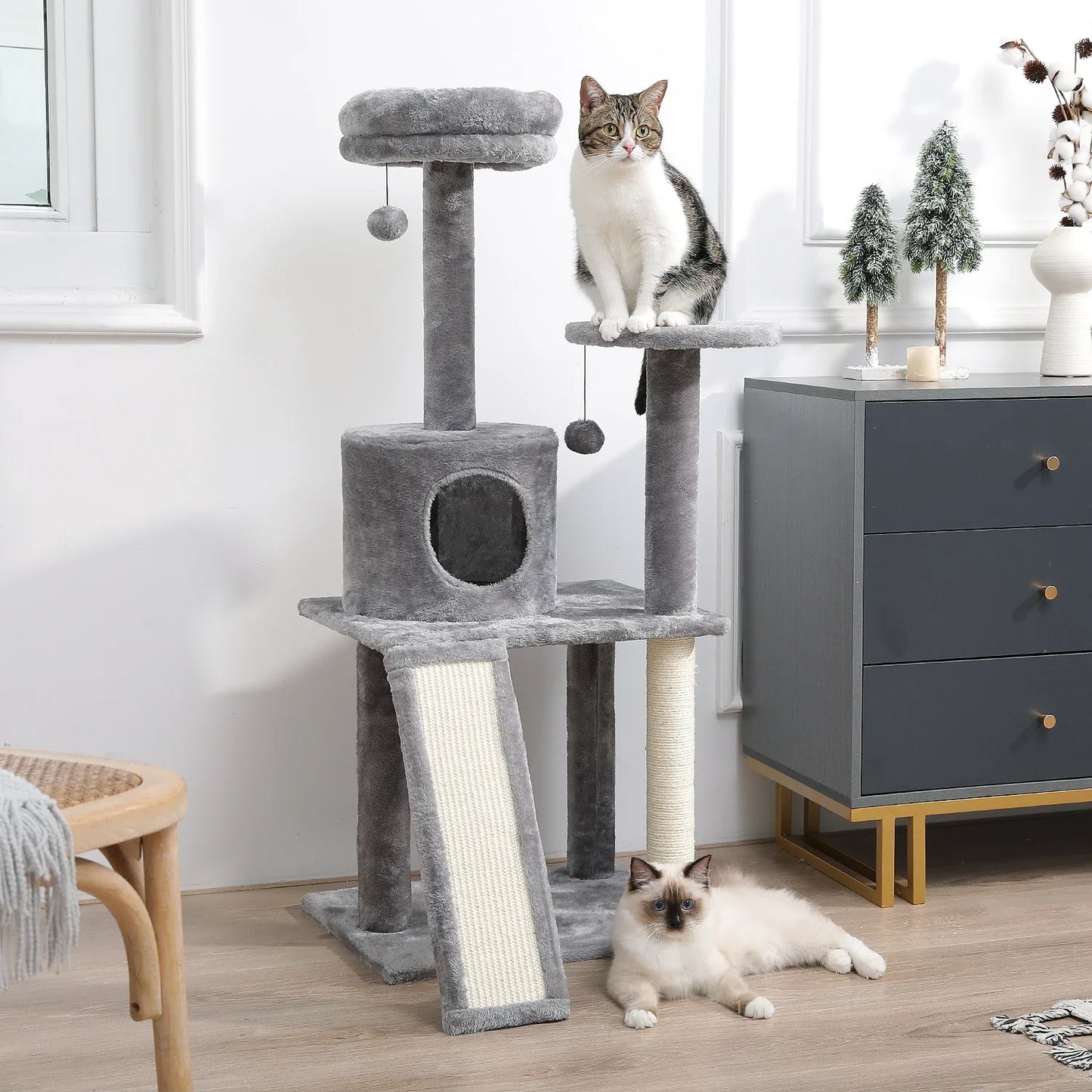
If you are unsure about recycling rules in your area, check your council website directly. Policies vary by location, and guidelines change over time.
When You Are Ready for the Next Step
Saying goodbye to an old cat tree can feel surprisingly sentimental. It likely supported your cat through daily routines, playful bursts of energy, and quiet afternoons.
When it is time to replace it, we are here to help you choose something that fits your home, your cat’s needs and your long-term goals. At Cat Tree Haven, we focus on durable construction, thoughtful design and practical advice for Australian pet owners.
If you would like guidance on selecting a replacement or understanding material options, reach out to us through our contact page. We are always happy to help you plan the next stage of your cat’s space responsibly.
Frequently Asked Questions
Can you put a cat tree in household recycling in Australia?
No. Cat trees are mixed-material furniture items and are not accepted in standard kerbside recycling bins. They usually need to be dismantled and disposed of through hard waste or landfill, with recyclable components separated where possible.
Can old cat trees be donated to shelters?
Sometimes. Many shelters accept only clean, structurally sound items. Always contact the organisation first to confirm their policies.
What parts of a cat tree can be recycled?
Metal screws and brackets are often recyclable as scrap metal. Solid timber may be reusable for DIY projects. Most engineered wood and fabric coverings are not accepted in standard recycling streams.
How do I know when a cat tree is no longer safe?
Signs include persistent wobbling, cracked panels, exposed hardware, mould, or instability that cannot be fixed by tightening bolts.
Is it better to repair or replace a cat tree?
If the structure is stable and only the surface materials are worn, repair is often practical. If the core frame is damaged or unstable, replacement is usually safer.
How can I reduce waste when buying a new cat tree?
Choose durable materials, stable construction and a size suited to your space. Investing in quality can reduce the frequency of replacement over time.